-
News
- admin
- 06 Dec 2024
Coral Triangle Nations Unite to Combat Marine Crisis, Set Bold 2025 Conservation Goals
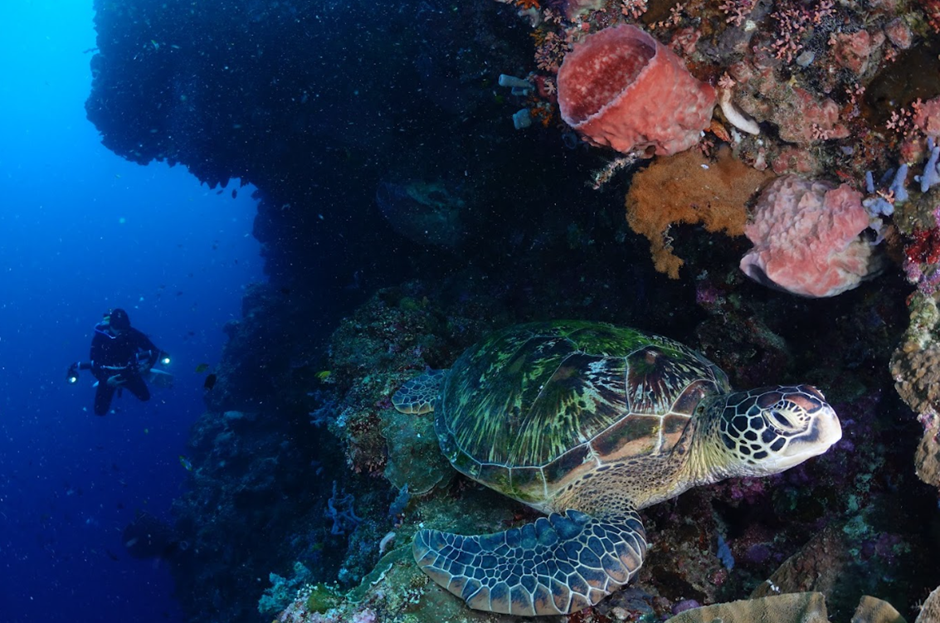
• The Coral Triangle spans 6 million square kilometers, hosting 76% of all known coral species, now threatened by overfishing, pollution, and climate change.
• The region provides over 20% of the world’s seafood and strives to protect 30% of its marine areas by 2030, aligning with global conservation goals.
• Six Coral Triangle countries — Indonesia, Malaysia, Papua New Guinea, the Philippines, Solomon Islands, and Timor-Leste — set bold 2025 conservation goals to address escalating threats to marine ecosystems, global food security, and the livelihoods of over 130 million coastal residents.
DILI, TIMOR-LESTE (4/12) — Leaders from six Coral Triangle nations gathered in Dili this week, reaffirming their commitment to safeguarding the world's most biodiverse marine region. The 19th Senior Officials’ Meeting of the Coral Triangle Initiative on Coral Reefs, Fisheries, and Food Security (CTI-CFF) concluded with ambitious conservation targets for 2025, designed to address overfishing, climate change, and pollution that endanger marine ecosystems and threaten the livelihoods of 130 million coastal residents.
The Coral Triangle spans six million square kilometers across Indonesia, Malaysia, Papua New Guinea, the Philippines, Solomon Islands, and Timor-Leste, and harbors 76% of all known coral species, earning its reputation as the "Amazon of the Seas." It supplies over 20% of the world’s seafood and supports economies across Asia-Pacific. But the ecological powerhouse faces mounting pressures, with climate-induced coral bleaching, habitat destruction, and illegal, unreported, and unregulated (IUU) fishing threatening its delicate balance.
“This region is the beating heart of marine biodiversity and a cornerstone of global food security,” said H.E. Celestino da Cunha Barreto, Chair of the Committee of Senior Officials, Timor-Leste’s Director General of Aquaculture, Fisheries, and Aquatic Resources. “Our oceans sustain millions of livelihoods, but this is a shared global responsibility. We call on the international community to join us in protecting these vital resources.”
Delegates reviewed national and regional achievements under the Regional Plan of Action 2.0 (2021–2030) and finalized an ambitious agenda for 2025. This includes advancing collaboration through large-scale area management, ensuring effective protection of ecologically important habitats, and reducing human impact on marine ecosystems — all to maintain livelihoods for present and future generations.
Key 2025 priorities include advancing seascape collaboration in Sulu-Sulawesi, Bismarck-Solomon, and Lesser Sunda Seascapes, focusing on migratory species and research. CTI-CFF aims to enhance the COASTFISH framework by promoting livelihood studies, innovative fishing gear, sustainable practices, and combating IUU fishing. Partnerships with organizations like ATSEA, EU, SEAFDEC, ASEAN, and WCPFC will be strengthened.
The Coral Triangle nations also reaffirmed their leadership in achieving the global 30x30 target, which seeks to protect 30% of the world’s oceans by 2030. “Our commitment to 30x30 reflects not just a regional responsibility but a global imperative,” said Dr. Frank Keith Griffin, Executive Director of the CTI-CFF Regional Secretariat. “The Coral Triangle is a treasure for all humanity, and it demands bold, collaborative action.”
Efforts will also expand and improve the effectiveness of Marine Protected Areas (MPAs) in the Coral Triangle, support manager networks, and contribute to global Sustainable Development Goal (SDG) 14: Life Below Water. CTI-CFF aims to achieve IUCN Green List Standards for its MPAs with GIZ SOMACORE support, while fostering scientific collaboration and strengthening the capacity of marine resource managers.
On the sidelines, CTI-CFF inked strategic partnerships with the Coral Triangle Center (CTC), the WWF Coral Triangle Program, and the Universidade Nacional Timor Lorosa’e. These agreements aim to bolster MPA management and the seascape approach through capacity-building initiatives and regional knowledge exchanges.
Global partners, including GIZ SOMACORE, USAID, Conservation International, IUCN, and WCS, reiterated their support for CTI-CFF’s mission. Yet, the Coral Triangle nations underscored the urgent need for broader collaboration, emphasizing the region’s critical role in sustaining global fisheries and biodiversity.
The outcomes of this pivotal meeting set the stage for the CTI-CFF 9th Ministerial Meeting, to be held on December 6, 2024. Ministers from the six Coral Triangle nations will convene to endorse strategic guidelines and further align regional efforts with global marine conservation goals.
For more information:
CTI-CFF Regional Secretariat
Dewi Satriani, Communication and Information Manager
Email: dewi.satriani@cticff.org | Tel: +62 811 910 970
Website: www.coraltriangleinitiative.org
About the Coral Triangle and CTI-CFF:
The Coral Triangle is the world’s center of marine life, encompassing around six million square kilometers of ocean across six countries in Asia-Pacific: Indonesia, Malaysia, Papua New Guinea, the Philippines, Solomon Islands, and Timor-Leste. It is home to 76% of the world’s known coral species, 37% of coral reef fish species, and commercially valuable species such as tuna, whales, dolphins, rays, sharks, and six of the world’s seven marine turtle species.
The CTI-CFF is a multilateral partnership established in 2009 among these six countries to sustain biodiversity conservation and food security through the sustainable management of marine resources while addressing climate change impacts.
About Coral Triangle Center (CTC):
The Coral Triangle Center is an Indonesia-based foundation with a regional scope and global impact. Established in 2010, CTC collaborates with local communities, private sectors, governments, and partners to strengthen marine resource management, protect coral reef ecosystems, and ensure sustainable livelihoods and food security.
About WWF Coral Triangle Program:
Through a collaborative, science-based approach, the WWF Coral Triangle Program works with governments, communities, and private sectors to focus on endangered species protection, MPA networks, and plastic pollution. By championing sustainable solutions, the program contributes to preserving this global treasure for current and future generations.