Food Security Crisis in the Coral Triangle: A Real Threat from the Neglected Sea
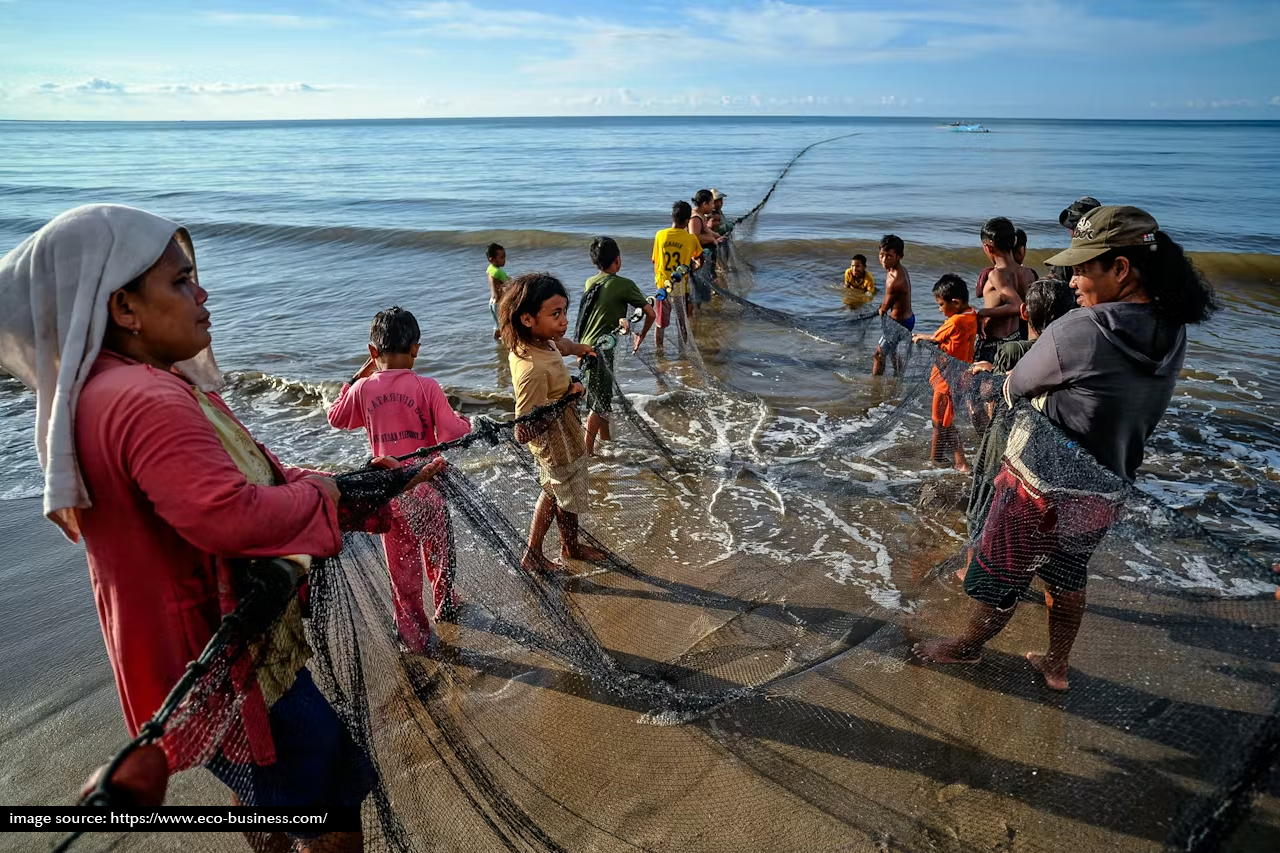
The sea is not just a beautiful stretch of blue water, but also the world’s giant kitchen. For the coastal communities in the Coral Triangle—comprising Indonesia, Malaysia, the Philippines, Papua New Guinea, Timor-Leste, and the Solomon Islands—the ocean is a primary source of food and livelihood. More than 120 million people living in the Coral Triangle rely on its marine resources for food and income, with many communities highly dependent on fisheries for daily subsistence and employment. (World Wide Fund for Nature).
However, behind this abundance, there is a serious threat: the food security crisis. If the marine ecosystems in the Coral Triangle are not preserved, fish stocks could plummet, food prices could rise, and many coastal people could lose access to an important source of protein and nutrition.
What is a Food Security Crisis?
Food security means that everyone has physical, economic, and social access to sufficient, safe, and nutritious food for a healthy life. In many coastal communities globally and in the Coral Triangle region, fish plays a very important role in diets and nutrition, often accounting for a large share of locally consumed animal protein. (FAO)
A food security crisis occurs when:
Fish supply decreases due to ecosystem degradation and overfishing.
Distribution is uneven, making it difficult for poor coastal communities to access fish.
Prices rise, making seafood protein less affordable.
Important Data on Marine Food Dependency in the Coral Triangle
Marine fisheries in the Coral Triangle produce substantial catches and support the livelihoods of hundreds of millions of coastal residents, supplying essential nutrition and income for local communities. (WWF)
Reef-associated fisheries have been valued at approximately US $3 billion annually based on fisheries studies in the region. (The Economics of Fisheries and Aquaculture in the Coral Triangle)
The region’s total fisheries production also includes highly valuable tuna fisheries that provide economic benefits to national markets and exports. In some estimates nearly half of all tuna caught in the Western and Central Pacific, valued at around US $1.5 billion, came from waters of Coral Triangle countries. (The Economics of Fisheries and Aquaculture in the Coral Triangle)
Population growth and rising demand for marine food resources continue to increase pressure on fish stocks, as coastal populations expand and dependence on seafood for diet and income remains high. (WWF)
Causes of the Food Security Crisis
Overfishing
Intense pressure on fish stocks has caused populations of many species to decline, with trends of overexploitation observed in capture fisheries. (Global Fishing Watch via academic studies)
IUU Fishing (Illegal, Unreported, Unregulated)
Illegal fishing activities reduce economic potential, deplete stocks, and make it harder for local fishermen to compete.
Destruction of Marine Habitats
Damaged coral reefs, cut-down mangroves, and lost seagrass beds mean the loss of fish breeding and nursery grounds. Without healthy habitats, fish stocks struggle to recover.
Climate Change
Ocean warming shifts fish distribution and affects productivity at the base of the food web, altering seasonal patterns and making it more difficult for fishers to adapt.
Marine Pollution
Plastic waste, industrial pollutants, and agricultural runoff negatively affect fish health and the quality of seafood available for human consumption.
Real Impacts of the Food Security Crisis
Threats to Nutrition and Health
Fish are a high-quality source of protein and essential micronutrients. If fish stocks diminish, communities lose access to nutritious, affordable food, which contributes to risks like child undernutrition. (FAO)
Economic Losses for Fishermen
Small-scale and traditional fishermen often experience decreased catches, increased costs, and reduced income, affecting their economic stability.
Rising Seafood Prices
Limited supply can drive local seafood prices upward, making basic nutrition less accessible for poorer coastal residents.
Potential Social Conflict
As marine resources become scarcer, competition between fishers and regions for access to productive fishing grounds may increase.
Real-Life Cases: The Philippines and Indonesia
In several parts of the Philippines and Indonesia, changes in small pelagic fish stocks (e.g., mackerel, sardines) and challenges faced by small-scale fishers have been linked to local food security concerns.
Why Is This Crisis Urgent?
Its impacts span sectors: food, economy, health, and social stability. For many coastal populations with limited food alternatives, fish remain an essential source of affordable protein. Without effective management and conservation, future generations could face growing nutritional vulnerabilities.
Efforts to Prevent the Food Security Crisis
Sustainable Fisheries Management
Implement ecosystem-based fisheries management to help maintain viable stocks and reduce overexploitation.
Combatting IUU Fishing
Strengthen monitoring, regional cooperation, and enforcement to minimize illegal fishing pressures.
Protection of Marine Habitats
Expand Marine Protected Areas (MPAs) and safeguard critical habitats like mangroves and seagrasses.
Diversification of Local Food Sources
Encourage sustainable aquaculture and alternative nutritious food sources to reduce dependence on wild capture.
Climate Change Adaptation
Educate fishers on changing ocean conditions and support resilient livelihood strategies.
REFERENCES
Reports, Organization Publications, and Web Resources
WWF Australia – Coral Triangle overview: food, livelihoods, and threats: https://wwf.org.au/what-we-do/oceans/coral-triangle/
The Economics of Fisheries and Aquaculture in the Coral Triangle — Asian Development Bank (ADB)/FAO/GEF report (reef fish and tuna value): https://coraltriangleinitiative.org/sites/default/files/resources/economics-fisheries-aquaculture-coral-triangle.pdf
Fisheries in the Coral Triangle are Vitally Important, New Report Shows — fisheries contribution and tuna value data: https://coraltriangleinitiative.org/news/fisheries-coral-triangle-are-vitally-important-new-report-show
FAO – Sustainable Contribution of Fisheries to Food Security and Nutrition (fish protein & nutritional role): https://www.fao.org/4/x6956e/x6956e07.htm
Global Fishing Watch / fisheries governance impacts on stocks (overfishing context): https://arxiv.org/abs/1609.08756