 Supporting Over 2.8 Million Small-Scale Fishers Across the Coral Triangle: Strengthening Livelihoods Through Sustainable Fisheries Management
The Coral Triangle is often recognized for its extraordinary marine biodiversity, but its importance extends far beyond ecological significance. Stretching across Indonesia, Malaysia, Papua New Guinea, the Philippines, Solomon Islands, and Timor-Leste, the region is also home to millions of coastal residents whose livelihoods depend directly on marine resources.
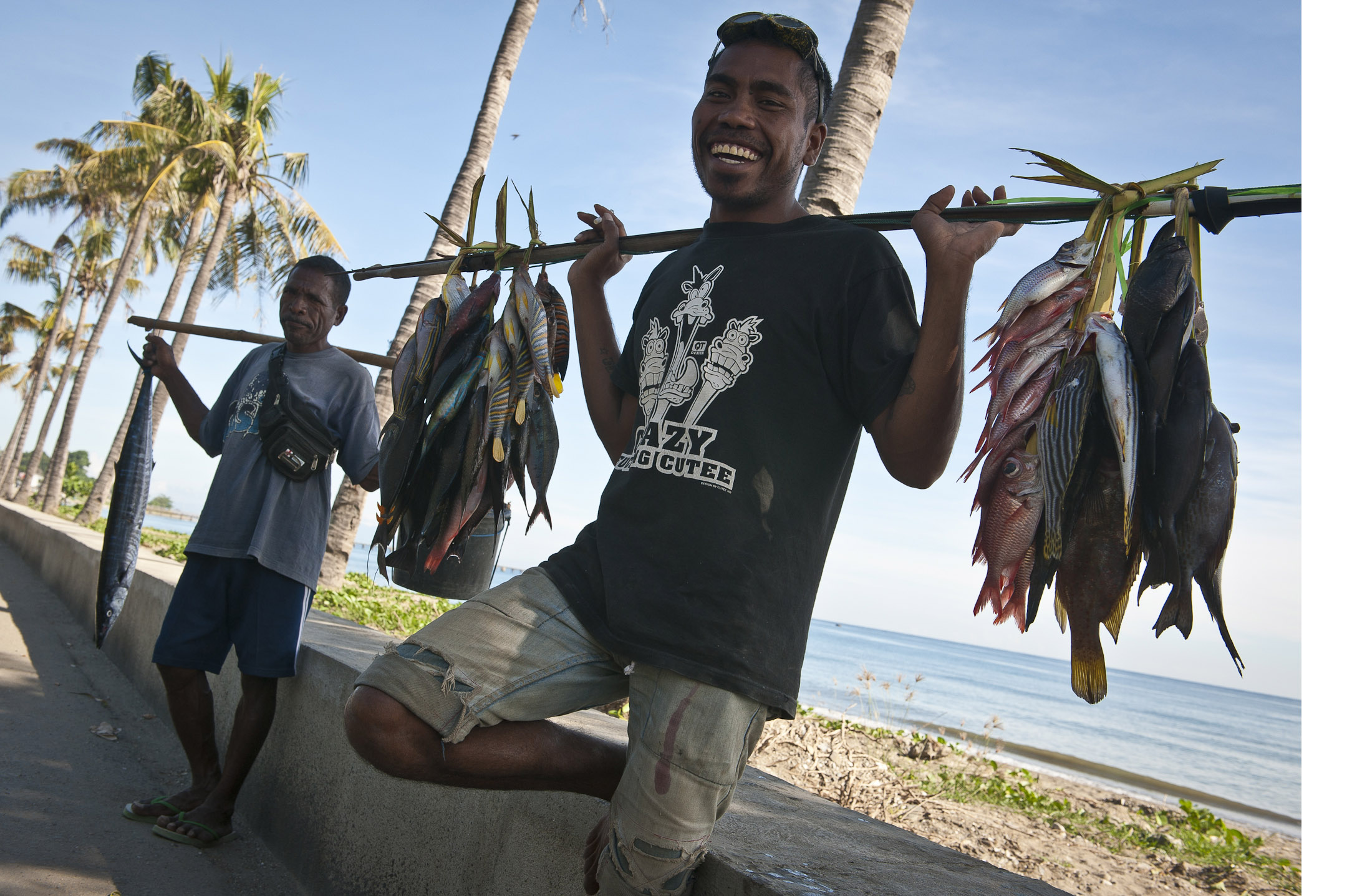
Among them are more than 2.8 million small-scale fishers who rely on healthy oceans for food security, household income, and economic stability. For many coastal communities, fishing is not merely an occupation—it is a way of life that has sustained families and local economies for generations.
As pressures on marine ecosystems continue to increase, ensuring the sustainability of small-scale fisheries has become one of the most important challenges and opportunities for the Coral Triangle Initiative on Coral Reefs, Fisheries and Food Security (CTI-CFF).
Small-Scale Fisheries: The Backbone of Coastal Economies
Small-scale fisheries play a vital role throughout the Coral Triangle region. Operating from thousands of coastal villages and island communities, small-scale fishers supply local markets, contribute to national seafood production, and provide an affordable source of protein for millions of people.
Unlike industrial fishing fleets, small-scale fisheries are often characterized by family-based operations, traditional fishing practices, and strong cultural connections to marine resources. Their contributions extend beyond economics, supporting social cohesion, cultural heritage, and community resilience.
In many areas of the Coral Triangle, income generated through small-scale fisheries circulates directly within local economies, supporting fish traders, processors, transport providers, market vendors, boat builders, and other related enterprises.
The continued productivity of these fisheries depends on healthy coral reefs, mangrove forests, seagrass meadows, and well-managed coastal ecosystems that serve as critical habitats for commercially important fish species.
The Challenges Facing Small-Scale Fishers
Despite their importance, small-scale fishing communities face growing challenges.
Declining fish stocks, habitat degradation, illegal, unreported and unregulated (IUU) fishing, marine pollution, and unsustainable coastal development have reduced the productivity of many fishing grounds. At the same time, climate change is introducing additional uncertainties through rising sea temperatures, coral bleaching, stronger storms, shifting fish distributions, and sea-level rise.
These pressures can directly affect household incomes and food security, particularly in remote coastal communities where alternative livelihood opportunities may be limited.
Small-scale fishers are often among the first groups to experience the impacts of ecosystem decline, yet they frequently have the fewest resources available to adapt to changing environmental conditions.
Why Sustainable Fisheries Matter
The future of the Coral Triangle’s fisheries is closely tied to the health of marine ecosystems.
Coral reefs provide habitat, nursery grounds, and feeding areas for many fish species that support local fisheries. Mangroves and seagrass ecosystems serve as critical breeding and nursery habitats while helping maintain water quality and coastal stability.
Protecting these ecosystems is therefore not only a conservation objective but also an investment in long-term economic and food security.
Sustainable fisheries management helps ensure that fish stocks remain productive, allowing current and future generations to continue benefiting from marine resources while avoiding overexploitation and ecosystem degradation.
Advancing Sustainable Fisheries Through CTI-CFF’s Regional Plan of Action 2.0
Recognizing the importance of fisheries to both livelihoods and food security, CTI-CFF’s Regional Plan of Action (RPOA) 2.0 places sustainable marine resource management at the center of regional cooperation.
Goal A – Healthy Ecosystems and Sustainable Marine Resources
The conservation of coral reefs, mangroves, seagrass ecosystems, and critical marine habitats directly supports fisheries productivity. Through ecosystem protection, habitat restoration, and strengthened marine protected area networks, CTI-CFF helps maintain the ecological foundations upon which small-scale fisheries depend.
Ecosystem Approach to Fisheries Management (EAFM)
A key component of CTI-CFF’s work is the promotion of the Ecosystem Approach to Fisheries Management (EAFM), which seeks to balance environmental sustainability with social and economic needs.
EAFM encourages science-based decision-making, improved fisheries governance, stakeholder participation, and the integration of ecological, economic, and social considerations into fisheries management. By taking a holistic approach, EAFM helps ensure that fisheries remain productive while protecting marine ecosystems.
Goal B – Strengthening Coastal Community Resilience
Supporting small-scale fishers also requires strengthening community resilience.
CTI-CFF promotes livelihood diversification, community-based resource management, capacity-building programs, and climate adaptation initiatives that help fishing communities respond to environmental and economic change.
Efforts to improve access to information, strengthen local institutions, and enhance community participation in resource management contribute to more resilient and sustainable coastal livelihoods.
Goal C – Strengthened Governance and Regional Cooperation
Because marine ecosystems and fish stocks frequently cross national boundaries, regional cooperation is essential.
CTI-CFF facilitates collaboration among Member Parties through knowledge exchange, policy coordination, technical assistance, and shared learning platforms. Improved governance and regional partnerships support more effective fisheries management and help address common challenges such as IUU fishing and climate impacts.
Cross-Cutting Priorities: Inclusion, Gender, and Climate Resilience
The sustainability of small-scale fisheries depends on ensuring that development benefits are inclusive and equitable.
Women play critical roles throughout fisheries value chains, including processing, marketing, and community resource management. At the same time, climate resilience has become increasingly important as coastal communities face growing environmental risks.
Through RPOA 2.0, CTI-CFF integrates gender equality, social inclusion, and climate adaptation into regional fisheries and coastal development initiatives, helping ensure that vulnerable groups are not left behind.
Conclusion
More than 2.8 million small-scale fishers depend on the Coral Triangle’s rich marine ecosystems for their livelihoods, food security, and economic well-being. Their future is inseparable from the health of coral reefs, mangroves, seagrass ecosystems, and sustainable fish stocks.
Through the implementation of the Regional Plan of Action 2.0, CTI-CFF and its Member Parties are working together to strengthen fisheries management, improve community resilience, enhance regional cooperation, and safeguard the marine resources that support millions of people across the region.
Investing in sustainable fisheries is not only an environmental imperative—it is an investment in the communities, economies, and food systems that depend on the Coral Triangle’s extraordinary marine resources.
References
Coral Triangle Initiative on Coral Reefs, Fisheries and Food Security (CTI-CFF). Regional Plan of Action 2.0 (2021–2030).
Food and Agriculture Organization of the United Nations (FAO). Voluntary Guidelines for Securing Sustainable Small-Scale Fisheries.
CTI-CFF Ecosystem Approach to Fisheries Management (EAFM) Framework.
WorldFish. Small-Scale Fisheries and Coastal Livelihoods in the Coral Triangle.
Asian Development Bank (ADB). Oceans and Fisheries in Southeast Asia and the Pacific.
World Bank. Hidden Harvest: The Global Contribution of Capture Fisheries.