-
News
- admin
- 23 May 2023
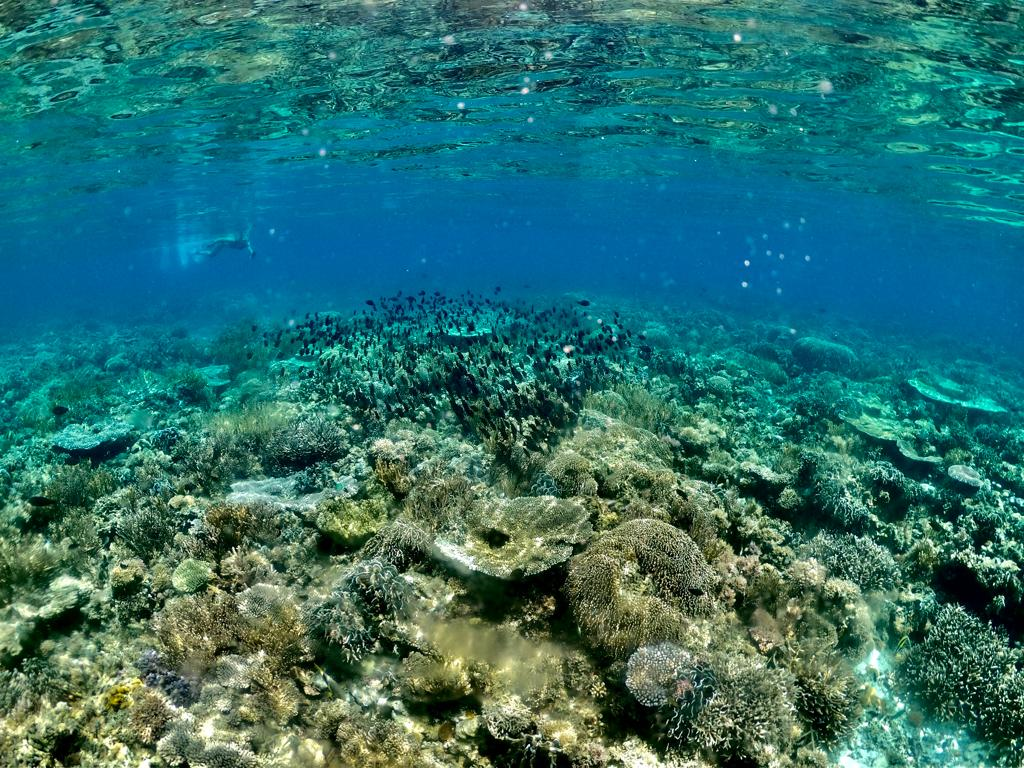
Timor-Leste is a small island nation located in Southeast Asia. Despite its small size, the country boasts a diverse and unique marine ecosystem, with various marine species and habitats found nowhere else. In recognition of the importance of this ecosystem, Timor-Leste has established several Marine Protected Areas (MPAs) to help conserve and protect its marine resources.
MPAs are areas of ocean and coastal habitat protected by law, typically to conserve biodiversity and promote sustainable fisheries. These areas can vary in size and level of protection, but all aim to limit human impacts on the marine environment, such as fishing and development. MPAs range from small community-managed reserves to larger government-managed parks.
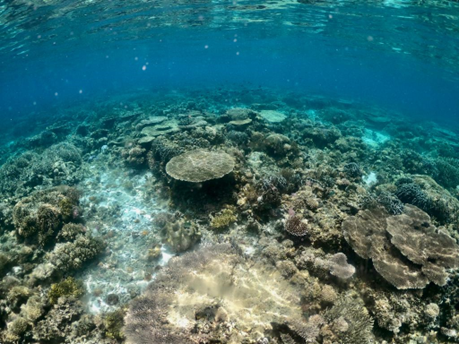
According to CTI-CFF monitoring measures, two MPAs in Timor-Leste fall under categories 3 and 4. The first is the Nino Konis Santana National Park, established in 2007. The park covers over 1,000 square kilometers of marine and terrestrial habitat and is home to a wide range of species, including whales, dolphins, turtles, and various types of fish and coral.
Another notable MPA in Timor-Leste is the Atauro Island Marine Protected Area. Located off the coast of the capital city, Dili, this MPA covers over 14,000 hectares of coral reef, seagrass meadows, and mangrove forests. The area is home to a number of threatened species, including dugongs and hawksbill turtles, and serves as an important spawning ground for various fish species.
The MPAs of Timor-Leste are managed through a partnership between the Timor-Leste government and local communities, with support from international organizations such as the Coral Triangle Center (CTC), Wildlife Conservation Society (WCS), and Conservation International. These MPAs help support sustainable fisheries and ecotourism on the island, providing economic opportunities for local communities while protecting the marine environment.
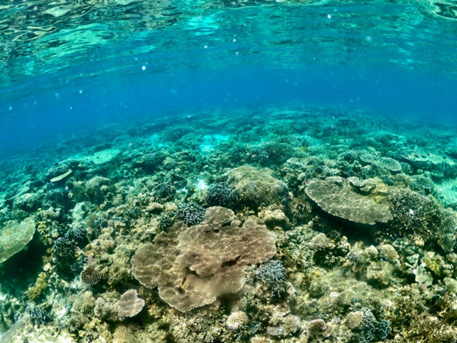
While some of Timor-Leste's MPAs are still relatively new, they have already had a positive impact on the country's marine ecosystem. By limiting human impacts and promoting sustainable management practices, these protected areas are helping to ensure the long-term health and resilience of Timor-Leste's unique marine environment.
In March 2023, the CTI-CFF Regional Secretariat team paid a courtesy visit to Timor-Leste to meet the Chair of COM and the Chair of CSO in person. During the visit, the team spent a day at the Atauro MPA to witness the exceptionally beautiful fringing reefs of Beloi Village, protected collaboratively by the government and local communities. It was an amazing scuba diving and snorkeling experience on healthy reefs with abundant fish.
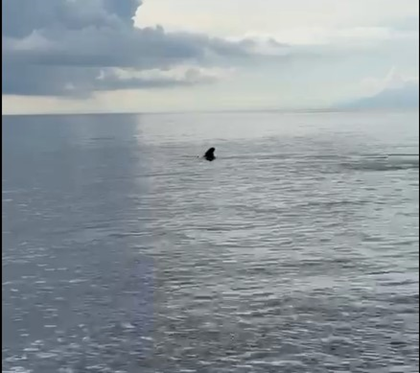
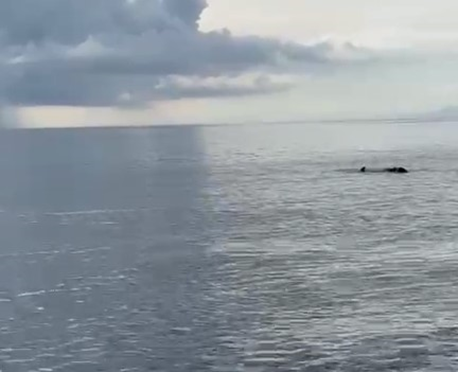
On the way to Atauro, the team encountered a group of pilot whales, an unexpected but breathtaking sight. Pilot whales are a type of toothed whale known for their close social bonds and tendency to travel in groups. On the return journey, they also observed a pod of dolphins swimming in the waters. These encounters highlight the rich biodiversity of Timor-Leste's marine ecosystem and underscore the importance of protecting it through the establishment of MPAs.
In line with the CTI-CFF Regional Plan of Action (RPOA) 2.0, Timor-Leste has set an ambitious goal to establish MPAs covering 30% of its marine area, protecting diverse habitats such as coral reefs, seagrass beds, and mangroves. By establishing and effectively managing these MPAs, Timor-Leste is not only safeguarding its unique marine environment but also contributing to global efforts to conserve the world's oceans.