-
News
- admin
- 04 Jul 2012
The Coral Triangle Initiative on Coral Reefs, Fisheries and Food Security (CTI-CFF) member countries — Indonesia, Malaysia, the Philippines, Solomon Islands, and Timor-Leste — together with their partner organizations, highlighted their achievements at a high-level side event during the United Nations Conference on Sustainable Development (Rio+20 Summit) in Brazil on June 21, 2012.
The event, which was attended by more than 150 participants, drew attention to the CTI’s successful implementation of national and regional action plans as a model of transformational change. It also promoted the CTI’s role as a platform for sustainable development through approaches like the blue economy, which links marine and coastal resource management with sustainable livelihoods and incomes.
The Government of Indonesia hosted the event with high level participation including Solomon Islands 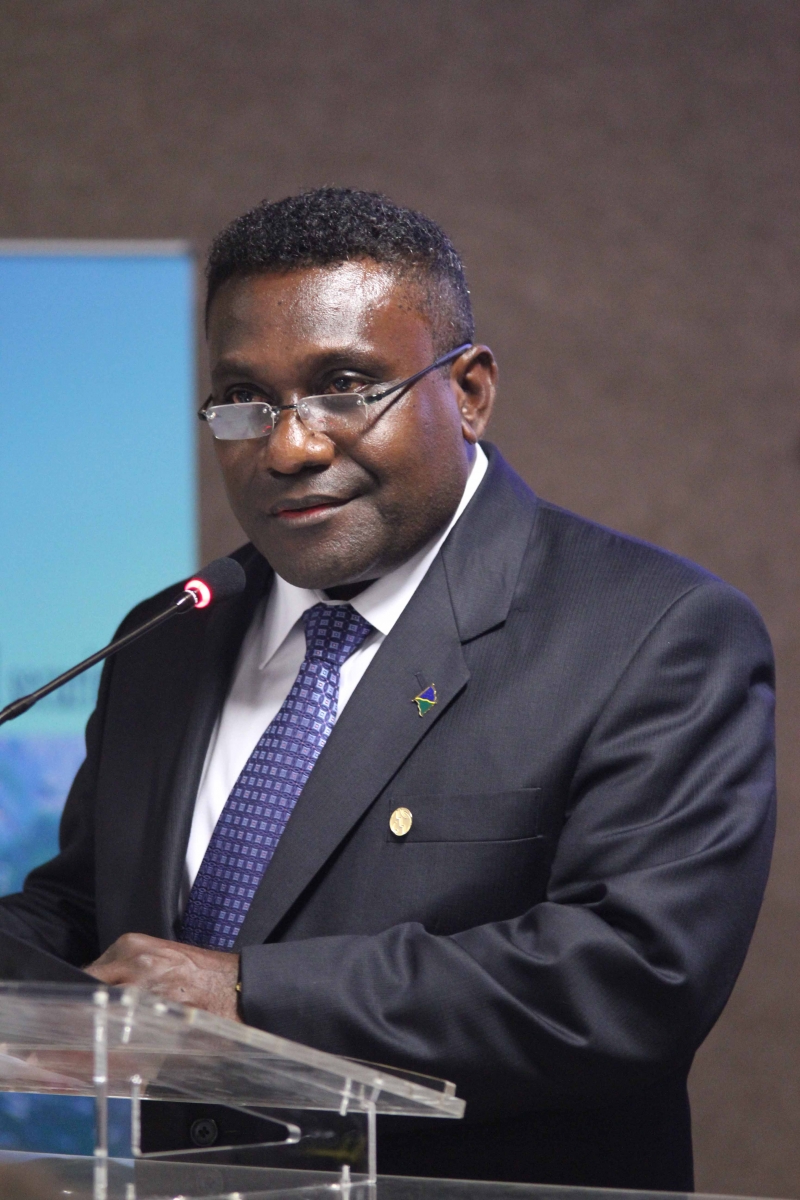 Prime Minister Gordon Darcy Lilo also as , as well as representatives from the Australian Government, the Asian Development Bank (ADB), the Global Environment Facility (GEF), Conservation International (CI), The Nature Conservancy (TNC), and WWF.
Prime Minister Lilo noted that with increasing economic and social challenges—such as population growth, rising food costs, and the effects of climate change—marine resources are being harvested and exploited to meet ever-increasing needs and wants. These challenges, he said, call for CT6 governments to make the right decisions for sustainable resource use, and for collective effort among all stakeholders.
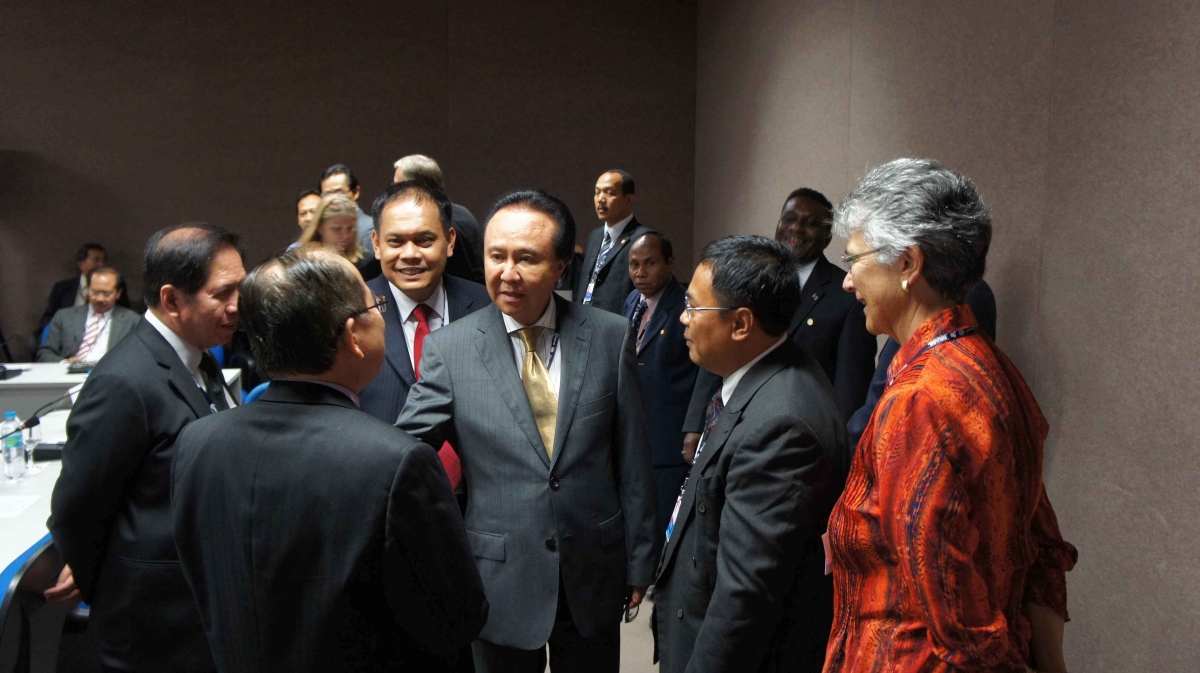
His Excellency Sharif C. Sutardjo, Minister for Marine Affairs and Fisheries of Indonesia, stated that joint collaboration through the CTI-CFF is the only way to ensure that “we consistently think and act bigger—beyond our national borders— toward our connected global heritage.” He added that the President of Indonesia, Susilo Bambang Yudhoyono, had earlier emphasized that sustainable development in oceans requires implementing “a green economy in a blue world.” This concept ensures that ocean development also protects the marine environment and promotes the sustainable management of marine resources, especially fisheries.
 “WWF shares the vision for the Coral Triangle Initiative to be an implementing framework for developing blue economies that can derive economic and social benefits from oceans in an efficient, equitable, and sustainable way,” said Yolanda Kakabadse, WWF International President, who also moderated the event’s panel discussion.
Dr. Bindu Lohani, Vice President for Knowledge Management and Sustainable Development at the Asian Development Bank, reaffirmed the organization’s commitment to supporting the Coral Triangle countries in ensuring sound investment decision-making and recognizing the economic value of the region’s rich ecosystems.
Dr. Kitt Batten, USAID’s Global Climate Change Coordinator, joined the panel discussion and highlighted the U.S. Government’s role in supporting public-private partnerships that link marine resource management programs with livelihood opportunities. 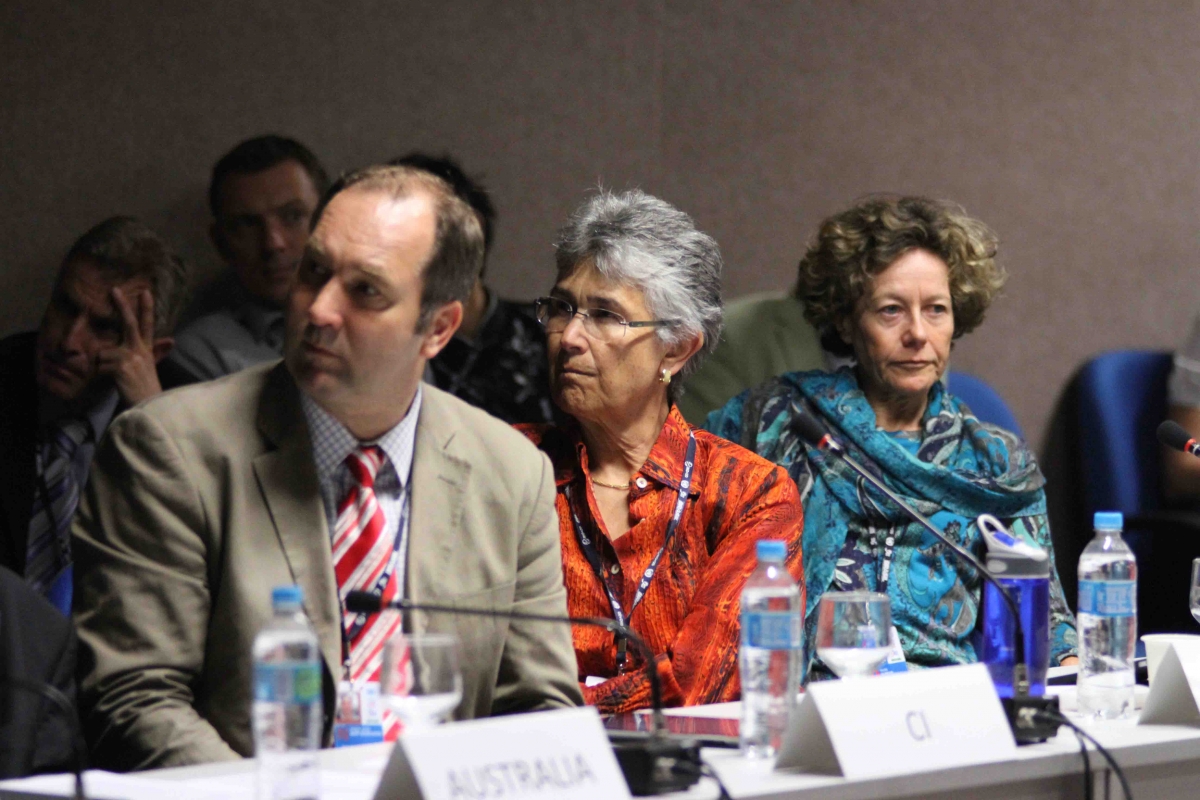
Jonas Rupp, Director for Marine Policy, High Seas Issues at Conservation International, noted that his organization is working with Coral Triangle countries to achieve a blue economy through the seascape approach, which considers social and political support, institutional capacity, legal frameworks, ecosystem-based management, private sector engagement, sustainable financing, market mechanisms, and human well-being.
Lynn Hale, Director of the Global Marine Initiative at The Nature Conservancy, commended the leaders and people of the Coral Triangle for being “ahead of the curve” and leading the way in turning words into action that address both food security and sustainable development. She emphasized TNC’s continued commitment to working with the CT6 countries and development partners to achieve the ambitious goals of the CTI-CFF.
Photo Captions:
Upper Right: Hon. Gordon Darcy Lilo speaking at the CTI-CFF Side Event at Rio+20
Middle Right: Minister Sutardjo and government officials with CTI-CFF development partners
Lower Right: CTI-CFF development partners from CI, WWF, and TNC
Photo Credit: V. Burgener / WWF